What Is a Preservation Breeder — and Why It Matters
Not all breeders are the same. Learn what a preservation breeder is, why they breed, and why choosing one is the single most important decision you will make when adding a Dalmatian to your family.
What Is a Preservation Breeder — and Why It Matters
You have decided you want a Dalmatian. You have done your research on the breed, you understand the energy level, the exercise needs, the famous spots. Now comes the most important decision of the entire process — and it has nothing to do with color or gender.
It is about who you buy from.
The difference between a preservation breeder and any other source of puppies is not a matter of price or prestige. It is a matter of health, temperament, and the long-term future of the breed itself. Understanding that difference will protect you, your family, and your new dog.
What Is a Preservation Breeder?
A preservation breeder is someone who breeds purebred dogs with one primary goal: to preserve and improve the breed according to the breed standard established by the parent club — in the Dalmatian's case, the Dalmatian Club of America and the American Kennel Club.
That sounds simple. It is anything but.
Preservation breeders do not breed to produce puppies. They breed to produce the next generation of the breed — dogs that are healthier, sounder, and truer to type than the generation before. Every litter is a deliberate, carefully planned decision made after years of study, mentorship, health testing, and competition.
Most preservation breeders produce only one or two litters per year, if that. Many go years between litters. They are not running a business. They are running a program.
The Hallmarks of a True Preservation Breeder
They Health Test — Every Single Dog, Every Single Time
This is non-negotiable. For Dalmatians, responsible health testing means:
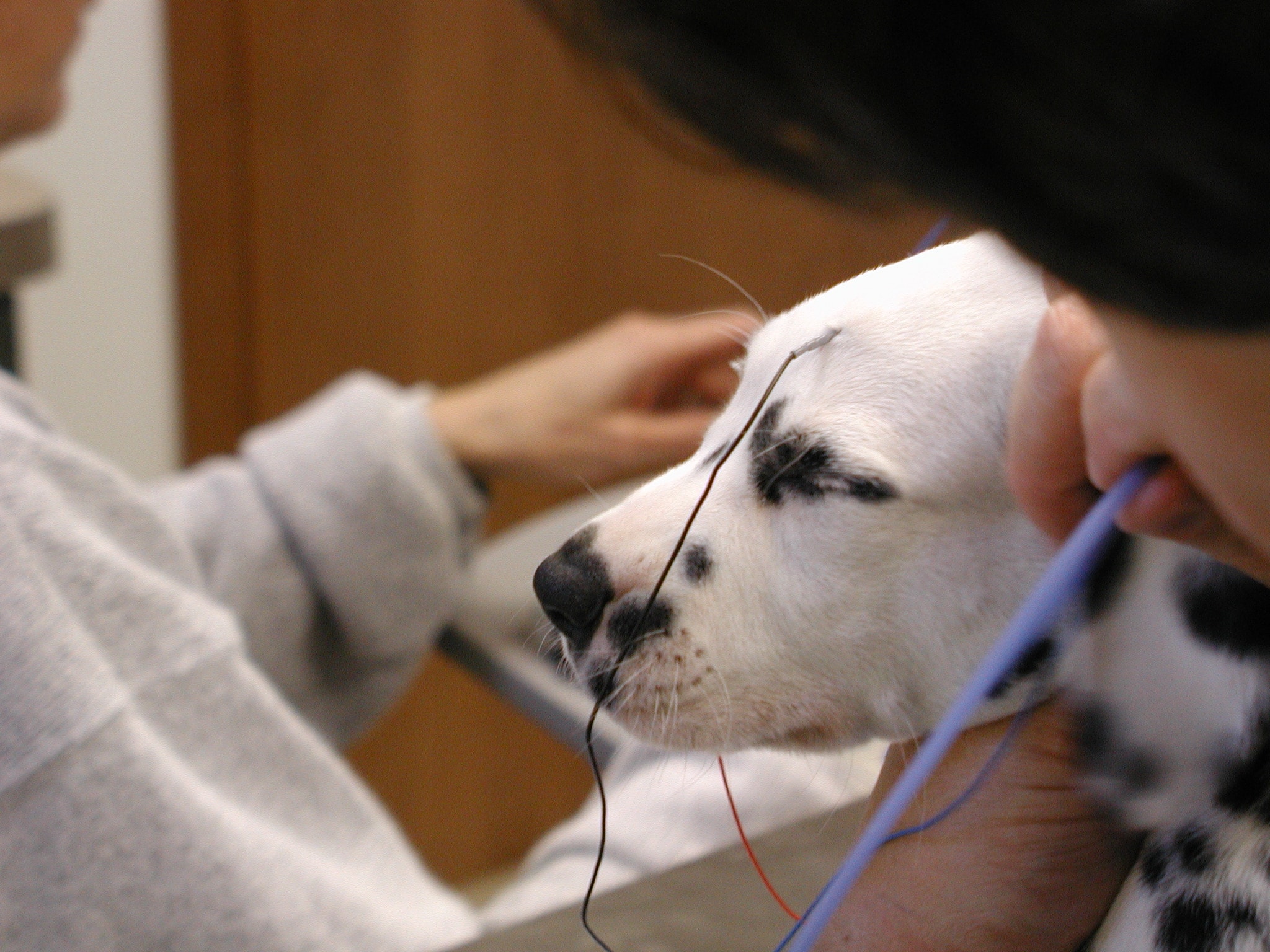
- BAER testing (Brainstem Auditory Evoked Response) — Dalmatians have a genetic predisposition to deafness. BAER testing is the only reliable way to confirm bilateral hearing in both parents. A preservation breeder will never produce a litter without BAER-testing both parents.
- OFA hip and elbow evaluations — to screen for orthopedic disease before it is passed to the next generation.
- CAER eye certification — annual ophthalmologist exams to screen for hereditary eye conditions.
- Thyroid testing — Dalmatians can be prone to autoimmune thyroiditis; responsible breeders screen for it.
These tests cost hundreds of dollars per dog. They are done not because a registry requires them, but because the breeder refuses to knowingly produce a puppy that will suffer.
When you ask a preservation breeder for health clearances, they hand you OFA numbers, BAER certificates, and CAER dates without hesitation. Everything is publicly verifiable on the OFA website.
They Show or Work Their Dogs
Preservation breeders compete in AKC conformation, performance events, or both. This is not vanity. The show ring and performance venues are the only objective evaluation of whether a dog meets the breed standard — structure, movement, temperament, and type.
A breeder who never puts their dogs in front of a judge has no external validation that what they are producing is correct. Titles and placements are proof of quality, not trophies on a shelf.
They Are Mentored and Mentoring
No preservation breeder learned in a vacuum. They were mentored by someone who came before them, and they are now mentoring the next generation. They are active members of their national and regional breed clubs. They study pedigrees, attend seminars, and stay current on health research.
When you talk to a preservation breeder, you are not talking to someone who decided to breed their pet. You are talking to someone who has spent years — often decades — learning their craft.
They Interview You
A preservation breeder will ask you more questions than you ask them. They want to know about your home, your lifestyle, your experience with dogs, your yard, your family, your plans for training. They are not being difficult. They are being responsible.
They brought these puppies into the world. They are accountable for where those puppies go.
They Take Their Dogs Back — Forever
Every preservation breeder worth the name has a return policy with no expiration date. If your life changes and you cannot keep your dog — five months from now or fifteen years from now — they want that dog back. They will not let a dog they produced end up in a shelter or rescue.
This is one of the clearest signals of a preservation breeder. Ask any breeder: "If I ever cannot keep this dog, what happens?" The answer tells you everything.
How Preservation Breeders Differ from Other Sources
Backyard Breeders
A backyard breeder is typically someone who owns a purebred dog and decides to breed it — often because they want their children to experience puppies, or because someone offered to buy one, or simply because they did not spay or neuter. There is no health testing, no study of pedigrees, no breed club involvement, no mentorship.
The puppies may look beautiful. They may even be healthy. But they may also carry genetic diseases that will not surface for years — glaucoma, copper storage disease, epilepsy, hip dysplasia, thyroid disease — because no one checked.
Puppy Mills and Commercial Breeders
Puppy mills exist to produce volume. Dogs are breeding stock, not companions. Health testing is absent or minimal. Socialization is poor. The puppies are sold through pet stores, online marketplaces, and brokers. The goal is profit, not breed preservation.
The puppies from these operations often have serious behavioral and health problems that emerge after you have already fallen in love with them — and after the seller has moved on to the next litter.
"Rare Color" or "Designer" Breeders
You may encounter breeders advertising "rare" Dalmatian colors — lemon, blue, brindle — or unusual markings, or "long coat" Dalmatians. These are not rare. They are disqualifications under the AKC breed standard, and there is a reason the breed community has long shunned them: many of these recessive traits travel alongside other recessive genes that carry genuine health consequences. Blue-pigmented Dalmatians, for example, have a well-documented association with increased rates of deafness and skin conditions. Long coats and non-standard colors are the product of recessive genes that responsible breeders have deliberately selected against for generations — not because of aesthetics alone, but because of what those genes can bring with them.
Breeders who market these traits as desirable are either unaware of the health implications or indifferent to them. Either way, they are not preservation breeders. A preservation breeder will never advertise a disqualification as a selling point.
Why This Matters for You
When you buy a puppy from a preservation breeder, you are not just buying a dog. You are buying:
Peace of mind. You know both parents were health tested. You know the breeder screened for the conditions that affect this breed. You know the odds of a preventable health crisis are as low as responsible breeding can make them.
A temperament guarantee. Preservation breeders select for correct Dalmatian temperament — outgoing, stable, intelligent, and trainable. They socialize their puppies from birth. They know each puppy's personality and will help match you with the right one.
A lifelong resource. Your breeder does not disappear after the sale. They are your first call when you have a question about health, behavior, training, or anything else. They have seen it all. They want your dog to thrive.
A dog that looks and acts like a Dalmatian. Breed type matters. A Dalmatian from a preservation breeder moves correctly, is built correctly, and has the temperament the breed was developed to have. That is not an accident. It is the result of generations of careful selection.
The Questions to Ask Any Breeder
Before you commit to a puppy from anyone, ask these questions:
- Can I see the BAER test results for both parents? Both parents should be bilaterally hearing. Ask for the certificate.
- What are the OFA numbers for hips, elbows, and thyroid? Look them up yourself at ofa.org. Do these dogs have CHIC numbers?
- Are you a member of the Dalmatian Club of America? Membership signals commitment to the breed community and its code of ethics.
- Do you show or compete with your dogs? Titles indicate external evaluation of quality.
- What is your return policy? There should be no expiration date.
- Who mentored you, and who are you mentoring? Preservation breeding is generational.
If a breeder cannot answer these questions — or becomes defensive when you ask — walk away.
A Final Word
The Dalmatian is a magnificent breed with a long history. It is also a breed with real health challenges that irresponsible breeding has made worse over generations. Deafness, in particular, is a serious concern that is entirely manageable through responsible health testing — but only if breeders actually do the testing.
Preservation breeders are the people standing between the Dalmatian you love and a future where that breed is diminished by disease, poor structure, and unstable temperament. They are not breeding for profit. They are breeding because they love the breed and feel a responsibility to leave it better than they found it.
When you choose a preservation breeder, you are part of that effort. You are supporting the people doing the work that keeps this breed healthy, sound, and true.
That is worth waiting for.
HatTrick Dalmatians is an AKC Breeder of Merit with over 35 years of experience producing champion-quality, health-tested Dalmatians. All of our breeding dogs are BAER tested, OFA certified, and CAER examined. Contact us to learn more about our program or to join our waitlist.
Explore Topics
Enjoyed this post?
Share it with fellow Dalmatian lovers
Written by
HatTrick Dalmatians
Content creator and writer sharing insights and stories.